
How to Choose a Compact Excavator for Tight-Access Work
A practical way to compare compact excavators by access, digging work, transport, attachments, operator needs and support after the purchase.
Read guideBuying, maintenance, parts and fleet guides for contractors, landscapers, rental operators and businesses that depend on equipment.
Use the Resource Center to compare equipment, prepare for service, identify parts more accurately and make better fleet decisions. The goal is straightforward: fewer avoidable surprises and better questions before the next purchase, repair or downtime event.
A practical way to compare compact excavators by access, digging work, transport, attachments, operator needs and support after the purchase.
Read guide
Compare traction, ground conditions, travel, wear cost, transport and attachment work before choosing between a compact track loader and skid steer.
Read guide
Build a repeatable equipment maintenance routine around inspections, fluids, filters, cooling, wear items, documentation and operating hours.
Read guideReduce wrong-part orders by gathering the machine model, serial/PIN, engine information, old part number and photos before contacting the parts counter.
Read guideA practical way to compare compact excavators by access, digging work, transport, attachments, operator needs and support after the purchase.
Read guideCompare traction, ground conditions, travel, wear cost, transport and attachment work before choosing between a compact track loader and skid steer.
Read guideBuild a repeatable equipment maintenance routine around inspections, fluids, filters, cooling, wear items, documentation and operating hours.
Read guide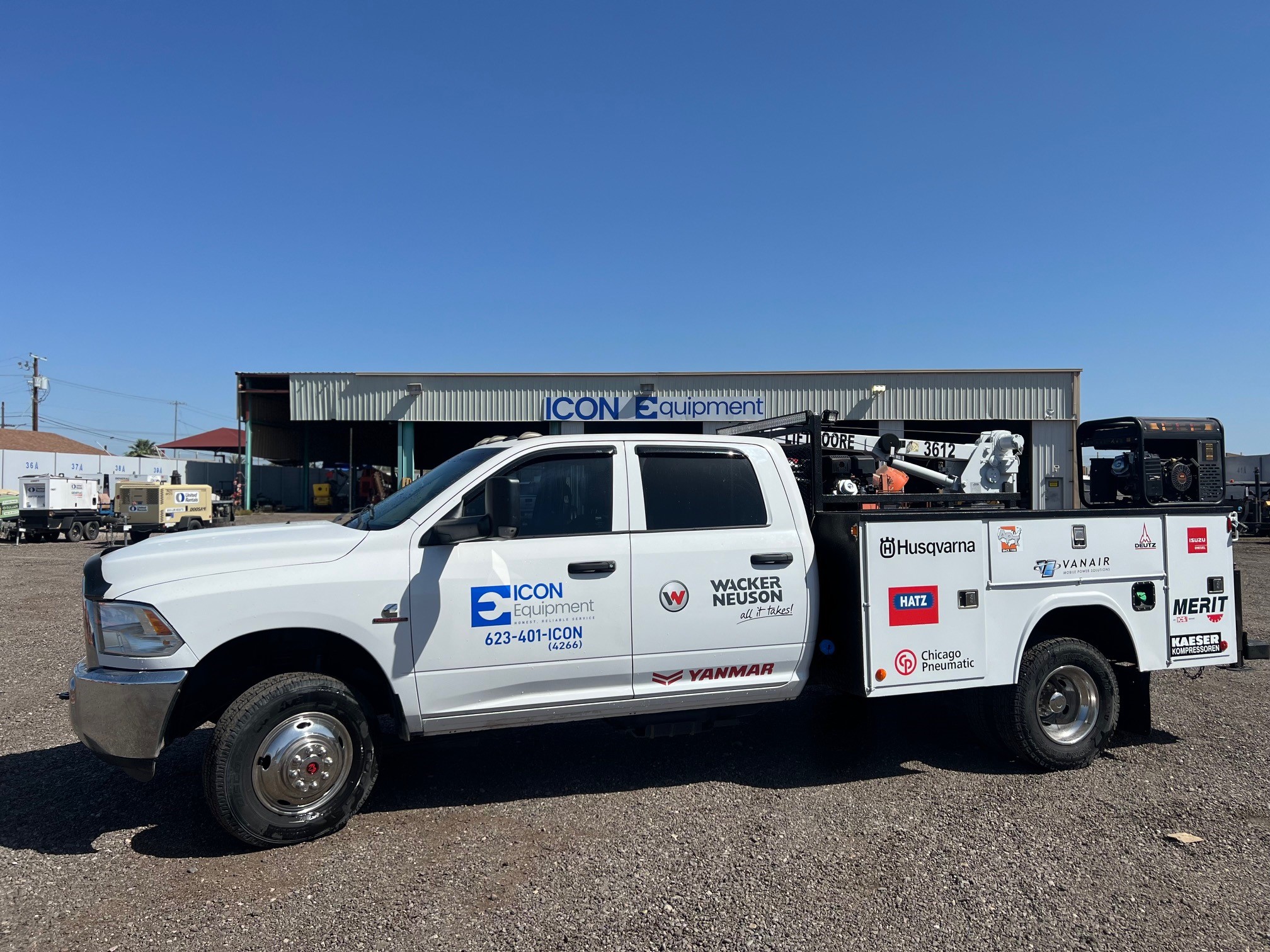
A practical first-response checklist for jobsite equipment breakdowns: secure the machine, capture symptoms, gather machine information and decide whether shop or mobile service makes sense.
Read guideReduce wrong-part orders by gathering the machine model, serial/PIN, engine information, old part number and photos before contacting the parts counter.
Read guideRecognize changes in starting, smoke, power, temperature, fluid consumption and warning systems before a small diesel-engine issue becomes a larger repair.
Read guideCompare downtime, repair frequency, utilization, parts support, resale value and production needs before deciding whether to repair or replace an aging machine.
Read guideCreate a fleet maintenance process around equipment records, hours, operator checks, service windows, parts planning and clear responsibility.
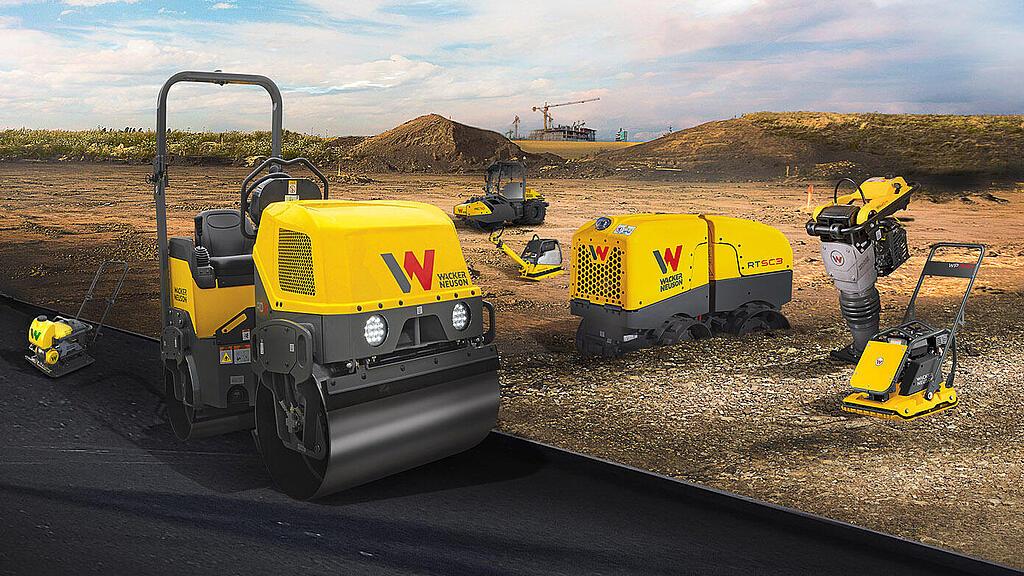
Read guideCompare rammers, plates and rollers by material, work area, access and production instead of choosing compaction equipment by size alone.
Read guideEvaluate used equipment by identity, hours, condition, service history, wear, attachments, operating test and support—not just price and paint.
Read guideDecide between field service and shop repair by considering machine mobility, repair scope, jobsite access, tooling, safety and the cost of transporting equipment.
Read guideOrganize business pricing, PO requirements, purchasing contacts, tax documentation, fulfillment preferences and fleet information before an urgent order or repair.
Read guideUse specifications as decision tools by connecting capacity, dimensions, hydraulics, reach and transport numbers to the work your business actually performs.
Read guideLook beyond the repair invoice and account for idle labor, rental, transport, schedule disruption and lost utilization when measuring equipment downtime.
Read guideUse service history, fleet commonality, lead time and downtime impact to decide which filters, wear items and critical parts deserve shelf space.
Read guideEquipment decisions get better when the conversation includes the work, the machine, the operator and the support needed after the sale.