
Skip to content
ICON Equipment
0Get a Quote
Fleet operations guide

How to Build a Fleet Maintenance Plan That Crews Will Actually Use

Create a fleet maintenance process around equipment records, hours, operator checks, service windows, parts planning and clear responsibility.

Fleet & Business9 min readICON Equipment Resource Center

A maintenance plan fails when it depends on one person remembering every machine. As a fleet grows, the business needs a repeatable process that identifies each unit, tracks hours, schedules manufacturer-required maintenance and makes it obvious who is responsible for the next action.

The plan does not need to be complicated. It needs to be accurate, visible and connected to the way crews actually use the equipment.

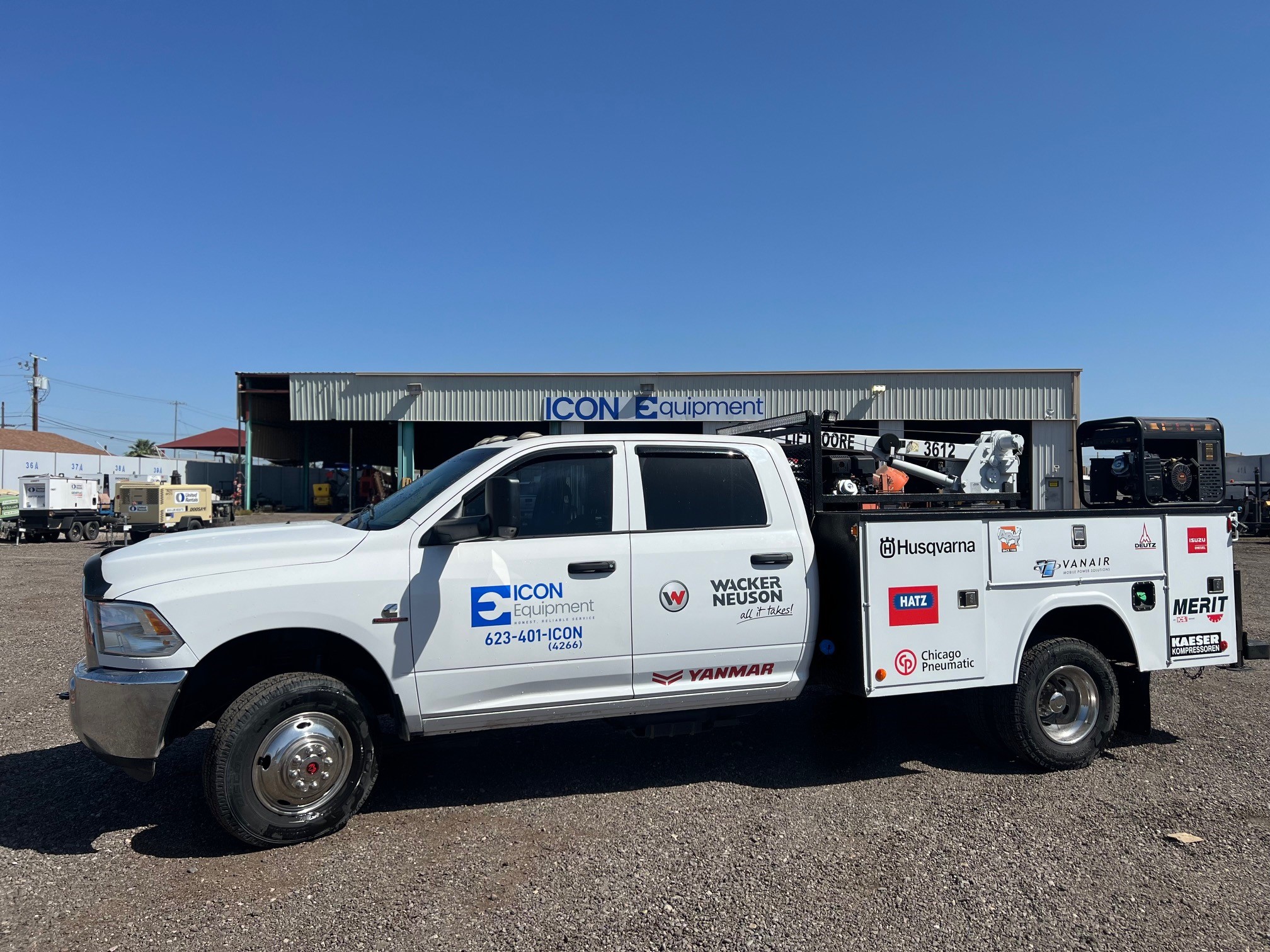
Mobile equipment service supporting a commercial fleet
Quick takeaways

What to keep in mind.

  • Create one reliable record for every machine and major component.
  • Tie maintenance to manufacturer intervals and actual operating hours.
  • Give operators a short inspection and reporting process.
  • Schedule service before due dates collide with busy production periods.
  • Review maintenance data to identify repeat failures and replacement candidates.

Build a clean equipment list

For each unit, record make, model, serial/PIN, year, current hours, assigned location, engine information and internal asset number. Add attachments or components that have their own maintenance needs.

Duplicate or incomplete equipment records make every later step harder. Start by cleaning the list before creating the schedule.

Define operator and maintenance responsibilities

Operators should know what they inspect before use and what conditions require the machine to be taken out of service. Supervisors should know who reviews those reports and who schedules repairs. Technicians or service providers need access to the equipment identity and maintenance history.

When responsibility is vague, small issues stay open until they become urgent.

Schedule around the work calendar

Use upcoming hours and project schedules to forecast service. If several machines are likely to come due at the same time, stagger work where the manufacturer requirements and operating needs allow.

For seasonal businesses, use slower periods to complete inspections and deferred repairs before the fleet returns to full utilization.

Plan common parts and consumables

Identify filters, fluids, wear items and common replacement parts used most often across the fleet. Standardization can make stocking easier. Avoid overstocking slow-moving items, but keep enough of the right maintenance items to avoid routine service delays.

Review the plan instead of just recording it

Maintenance data should change decisions. Look for repeat failures, units with unusually high cost, machines that spend too many days down and equipment that is underutilized. Those trends can guide operator training, parts stocking, service strategy and replacement planning.

Common questions

Questions to answer before the next step.

Should every machine have the same maintenance schedule?

No. Use the manufacturer requirements for each machine and engine. A fleet plan organizes those different schedules into one process.

How often should fleet records be reviewed?

Review active issues frequently enough to prevent missed service, and perform a broader cost and utilization review on a regular business cadence that fits your fleet size.

Put the information to work

Building a more consistent service plan?

ICON can support shop service, field service and parts sourcing around the machines your business operates.

Explore Fleet Support
Keep reading

Related equipment resources.

Search ICON Equipment

Search equipment, SKU, vendor/manufacturer part numbers, parts, service and brand information across ICON Equipment.