Start with the material
Granular materials such as sand and aggregate generally respond differently to compactive effort than cohesive soils with more clay content. Asphalt introduces additional considerations including surface finish and temperature. Ask what material the crew is compacting most often and what the project specification requires.
Match the machine to the work area
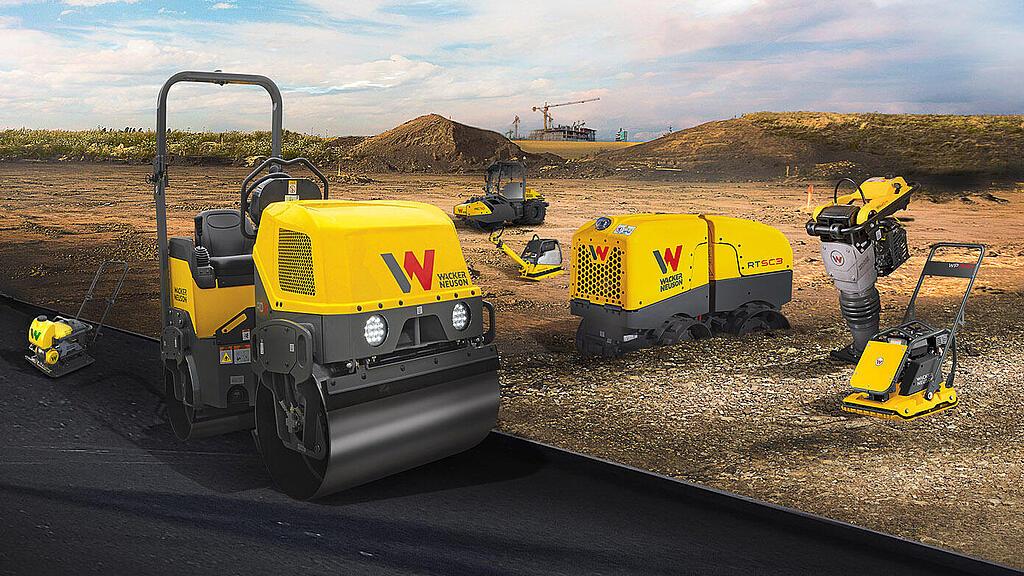
Rammers can be useful in confined trenches and around utilities. Plate compactors cover smaller areas efficiently and are available in several configurations. Rollers can increase production on larger areas.
Access, obstacles and turning room can be just as important as the nominal width of the machine.
Think in passes and production
The cheapest machine is not always the lowest-cost choice if it requires many more passes to complete the work. Compare expected area, daily production and how often the equipment moves between small and large jobs.
If compaction is a bottleneck for the crew, a more productive machine can have value well beyond the equipment price.
Plan for application-specific features
Asphalt work may benefit from water systems and smooth-drum configurations. Trench work may place greater value on remote operation, narrow width or maneuverability. Match options to the work instead of buying features that will rarely be used.
Include maintenance and transport
Compaction equipment lives in dust, vibration and abrasive conditions. Make routine inspection, cleaning and service access part of the decision. Also think about how the machine loads, ties down and travels with the rest of the crew's equipment.